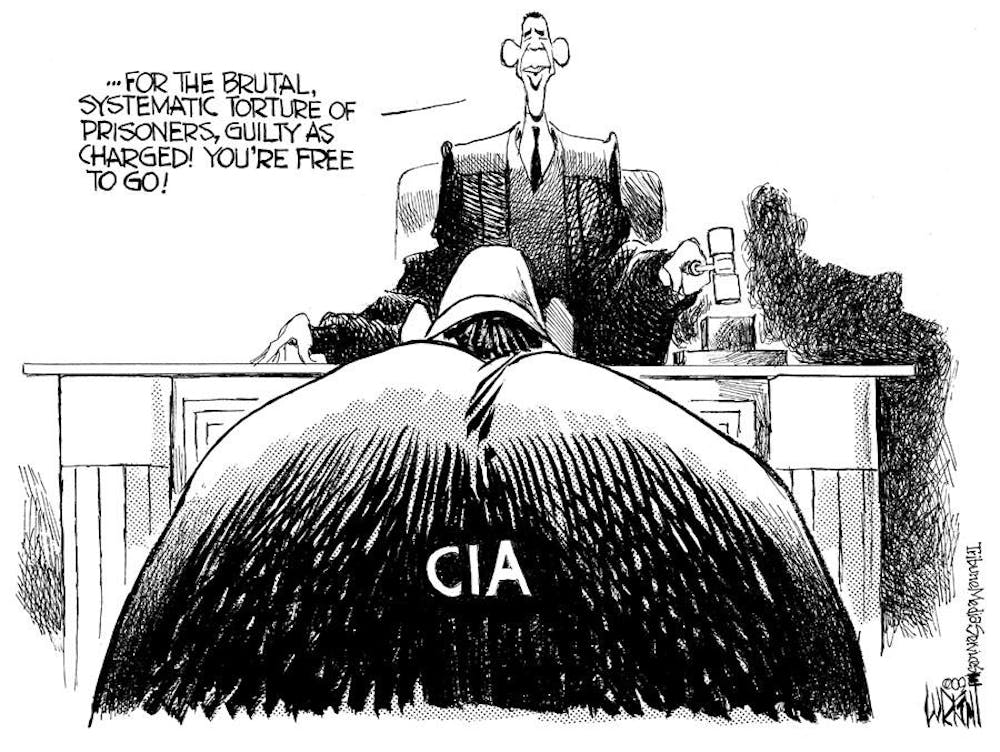
Should our nation’s spy and intelligence agencies open their books to the public? Of course not; that’s just silly. However, they shouldn’t go ahead and destroy records and possible evidence of misconduct. This is exactly what happened when the CIA destroyed videotapes of interrogation of suspected terrorists.
In 2005, then-CIA Director Porter Goss’ top aide decided to destroy dozens of video recordings chronicling the brutal interrogations of two detainees. These tapes were made in 2002, when CIA operatives in Thailand recorded hundreds of videos of Abu Zubaydah and Abd al-Rahim al-Nashiri being interrogated. Both were al Qaeda suspects being detained secretly by the CIA.
Jose A. Rodriguez Jr., then the head of the CIA’s clandestine service, ordered the tapes to be destroyed because he feared that if the tapes became public, they would jeopardize the legal and physical safety of undercover CIA officers. Rodriguez’s concern for his colleagues was born from good intentions but led the CIA down the road to ethical hell.
Although Rodriguez and other CIA officials acted reasonably in trying to protect their coworkers, they destroyed their own accountability and, consequently, destroyed the public’s faith in the CIA.
Since the failed invasion of the Bay of Pigs in 1961, the American public is rightly suspicious of the CIA, with its ballooning budget, secret agents and assassinations of foreign leaders. The destruction of the videotapes is just more reason to be wary of this cloak-and-dagger agency.
Using a Federal of Information Act (FOIA) lawsuit, the American Civil Liberties Union obtained records of the CIA’s deliberations on whether or not officers should destroy the recordings. Only because copies of these deliberations exist and because of the ACLU’s lawsuit, the public is aware of what occurred. This reflects a systemic flaw with our intelligence community, which seems to try to get away with everything by eliminating any proof.
The federal government needs to install more appropriate and effective oversight of these organizations. The FOIA manages to reveal essential details of wrongdoing, but more private and informed oversight should exist.
The public or press should not be privy to or judge information relevant to an ongoing war or operation — no matter how unethical or illegal the clandestine conduct may be. If the U.S. public was informed every time the CIA did something illegal, our intelligence agencies would become useless and their operations overt.
Instead, congressional oversight committees need to play a bigger role in policing and keeping track of U.S. intelligence. These elected public officials should be able to appropriately acknowledge agencies’ behavior while extolling their virtues as well.
The committees would be able to judge situations and come to conclusions on what further action needs to be taken. This way, intelligence agencies, such as the CIA, would feel more comfortable with revealing their operation, when they’re not scared of being constantly vilified by the public and press.
Most importantly, more active congressional oversight committees would keep officers and strategy safe while also keeping our representatives more informed.
Oversee the C.I.A.
Get stories like this in your inbox
Subscribe