On Jan. 12, Google announced what might very well be an end to its four-year rendezvous with China. This would break a long-standing relationship between the Internet giant and the world’s largest Internet market – but the arrangement was no honeymoon. To open up operations in China, Google had to turn its back on its unofficial motto of “don’t be evil.”
The company agreed to censor any content considered to be critical of the government – including searches for the 1989 crackdown on protesters in Beijing’s Tiananmen Square. Google is now threatening to pull out of China since results of a cyber attack have surfaced. The Internet giant believes that the attacks originated from the government and were aimed at stealing information from Chinese human rights activists.
We applaud Google for taking a strong stance against China’s action and treating the values of free expression as a priority.
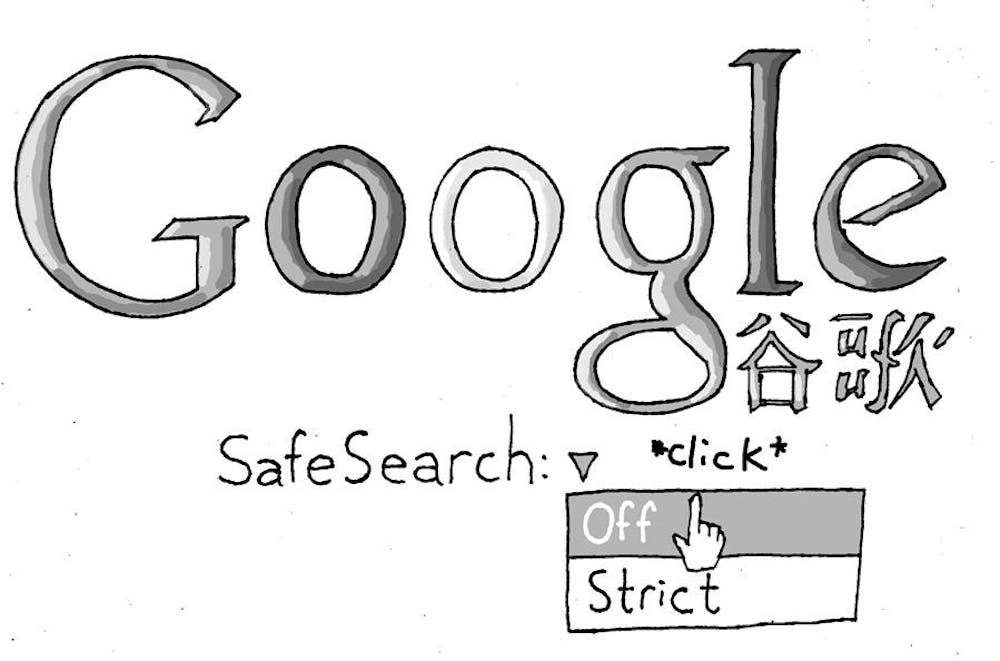
In a statement on its official blog, Google explained that a “highly sophisticated and targeted” attack late last year affected at least 20 other firms. The company continued by saying, “we have decided we are no longer willing to continue censoring our results on Google.cn, and so, over the next few weeks we will be discussing with the Chinese government the basis on which we could operate an unfiltered search engine within the law, if at all.”
An investigation has found that dozens of Gmail accounts held by human rights advocates in the U.S., China and Europe have been breached by third parties. Google has voiced concern about the human rights implications of the attack, stating that “this information goes to the heart of a much bigger global debate about freedom of speech.”
Even though Google was losing in market share to the Chinese search engine Baidu, this certainly was still a difficult decision for the company. While Baidu led with 58 percent of the market share, Google is still the favorite among university students in the country. Many of China’s well-educated youth are distraught about the potential loss of Google services, such as maps, translation, sketching software, access to scholarly papers and, of course, the search function.
By risking the end of its operations in China, Google is showing that free expression takes precedence more than potential profits do.
Censorship cessation
Get stories like this in your inbox
Subscribe