
INDIANAPOLIS – Indiana’s last surviving member of World War II’s history-making Tuskegee Airmen won’t be able to attend President-elect Barack Obama’s inauguration because he’s battling stomach cancer.
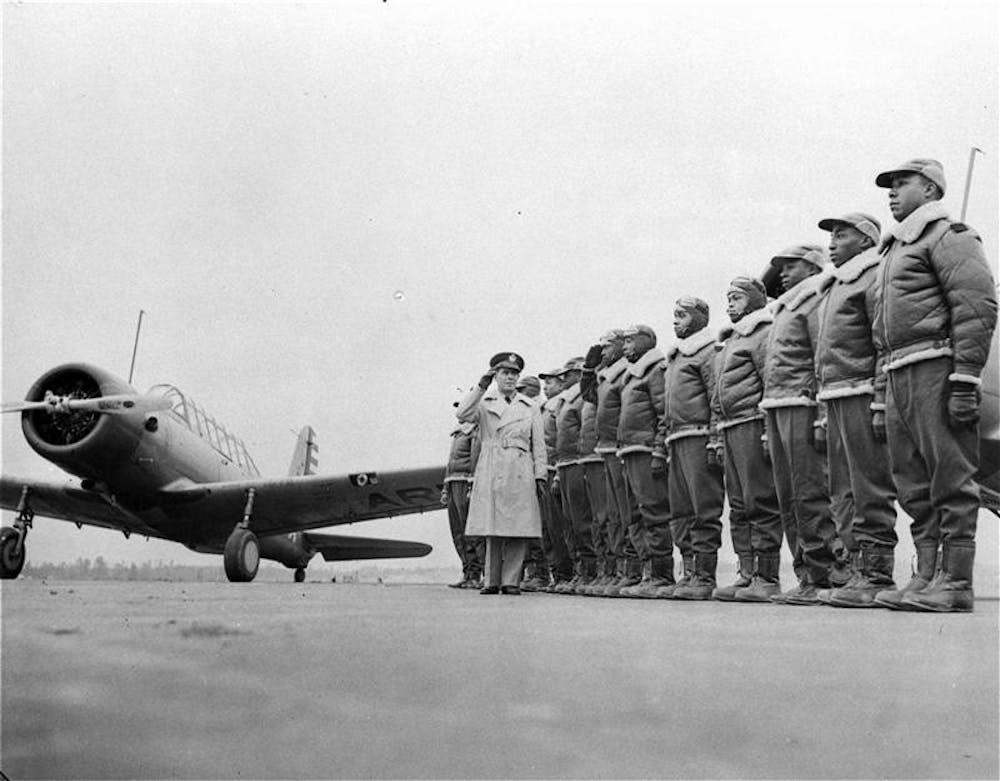
The all-black U.S. Army squadron made history during World War II as the country’s first black military pilots, but returned home to discrimination and exclusion from victory parades.
For decades they were also left out of history books despite their considerable achievements in World War II, escorting American bombers as they hit German targets.
Palmer, a fighter pilot, flew 158 such missions over Europe, coming under frequent attack by German interceptors.
After the war, he and the other airmen were excluded not just from victory parades but also the postwar opportunities that awaited many returning heroes.
For Palmer, who retired from the Army and flying after injuring his eye in a car accident, the best he could do was a low-level courthouse job in his native New York.
He eventually moved his family to Indianapolis, but much has changed in the 36 years since then. The Tuskegee Airmen rose from a historical footnote to become the subject of major motion pictures and documentaries.
Last year, Palmer and about 300 other Tuskegee Airmen went to Washington to receive the Congressional Gold Medal, one of the nation’s highest honors. President Goerge W. Bush made the presentation in the Capitol Rotunda, but Palmer was not impressed.
Palmer flew a P-51, the legendary Mustang, powered by a two-speed, supercharged 12-cylinder Packard engine. He called his plane “the Duchess,” his nickname for his wife.
“Nothing could equal the exhilaration of flying,” he said.
Palmer said he doesn’t see himself as a civil rights pioneer but rather as “a fighter pilot, that’s all.”
Indiana’s last Tuskegee airman battling cancer
Get stories like this in your inbox
Subscribe



