The title of Kimberly Peirce’s “Stop-Loss” refers to a military policy that involuntarily extends an enlisted person’s service duty. After troops return from combat, they can be forced to return overseas. In the real world, this policy has been fought in court, although judges have typically ruled in favor of the military.
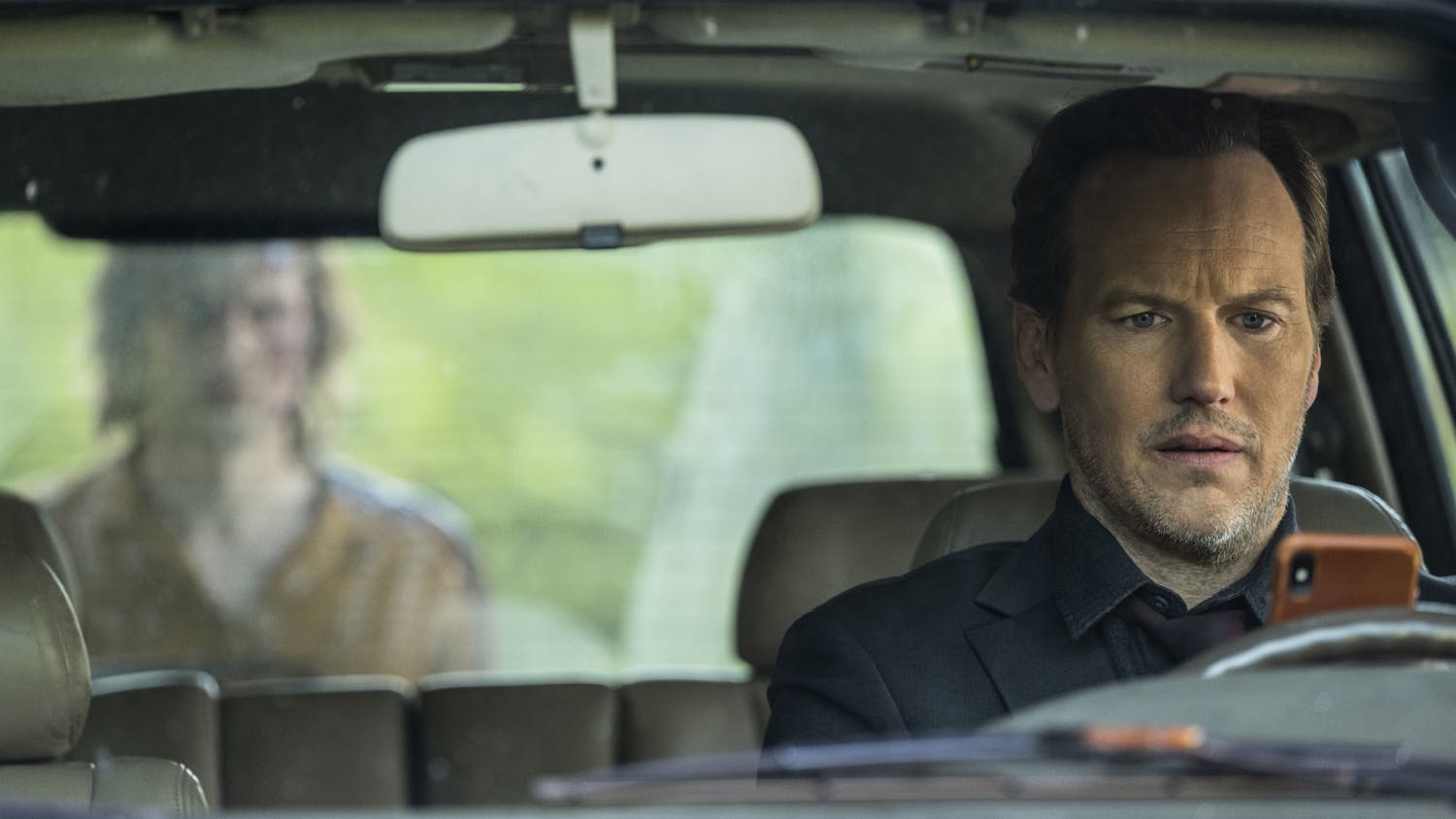
Sgt. Brandon King (Ryan Phillippe) is a casualty of the stop-loss policy. Following a tour of duty in Iraq, Brandon returns to his Texas home in a parade of drunken fun. Thinking he is done with the military, Brandon is outraged to learn that he is still a puppet of the powers that be. His response to his superior upon hearing the news shows that he at least retains his right to free speech: “With all due respect sir, fuck
the president.”
At face value, “Stop-Loss” is a standard war movie, but beneath the surface, it is more focused on the grueling impacts of war at home – alcoholism, spousal abuse, post-traumatic stress, disability and death. Brandon and his comrades and best friends Steve (Channing Tatum) and Tommy (Joseph Gordon-Levitt) are never the same after witnessing the horrors of war.
Unlike traditional war films, director Kimberly Peirce begins her film amidst the chaos of military action, only later bringing it back home. This is Peirce’s first film since 1999’s “Boys Don’t Cry,” but she wastes no time in seizing the audience’s attention. The film’s first scene depicts troops stationed at roadside checkpoints, which promptly leads to a violent confrontation. With gruesome head shots and footage of dead civilian women and children, Peirce brings the graphic violence of war to life. In this scene, it’s not difficult to empathize with the Iraqis – if America were being occupied, who wouldn’t fight back?
The film alludes to the evident question of why we are even in this war. Upon their return home, Steve yells to a gathered crowd, “We’re killing Iraqis over there so we don’t have to fight them over here!” The troops must believe they’re fighting for something greater than the harassment of an otherwise innocent nation. Peirce is more than able to achieve her agenda, which makes the film’s unfortunate cop-out ending all the more questionable.
Iraq war, MTV style

Get stories like this in your inbox
Subscribe