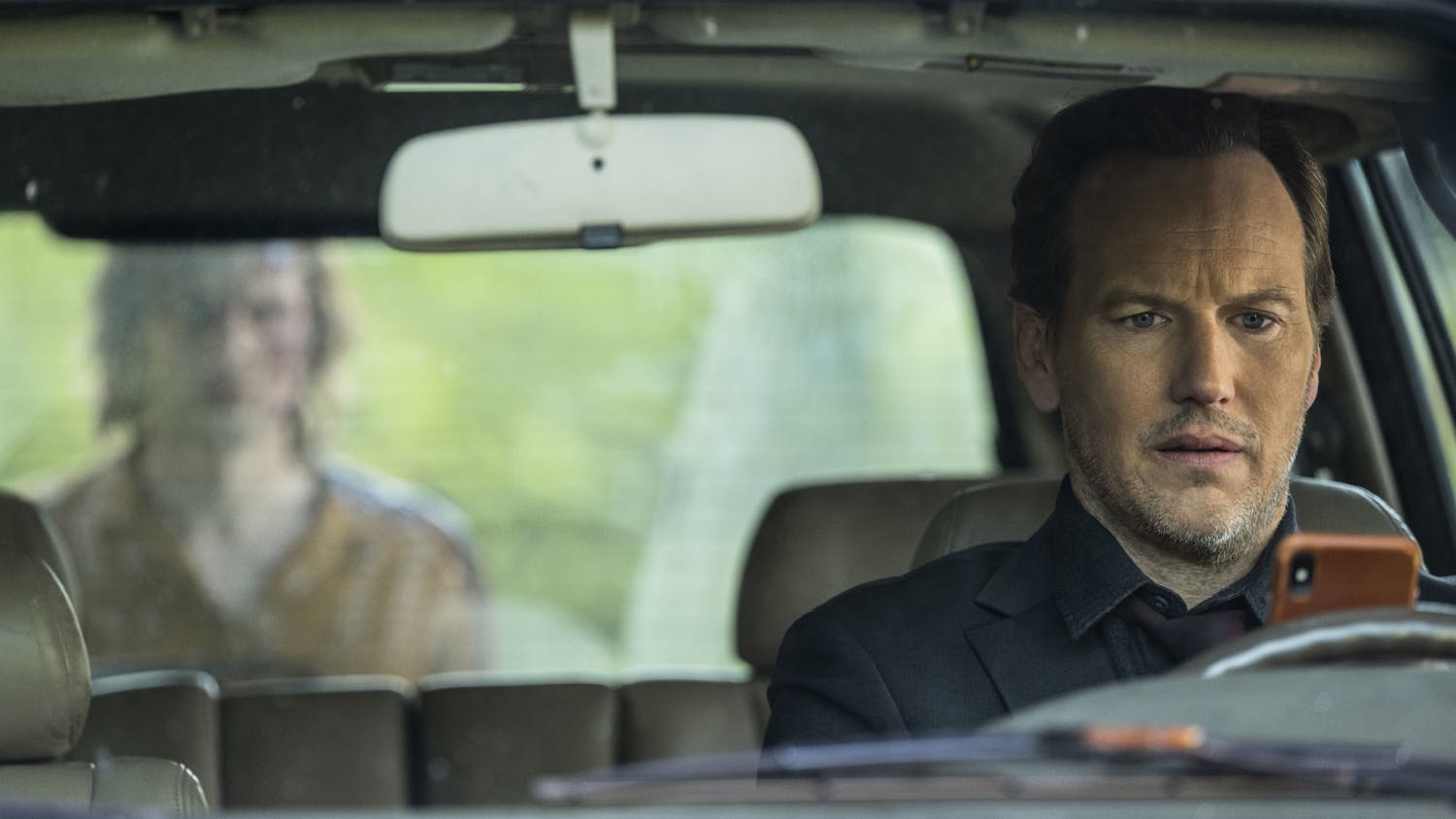
Following on the distantly echoing footsteps of her critically-acclaimed film "High Art," writer and director Lisa Cholodenko has delivered to us another film chronicling the collision between high society, upscale bohemia and true love. "Laurel Canyon" is a seemingly cliché story of reactionary generations, the free-loving, substance-abusing baby-boomer and the rigid, high-achieving offspring and the inevitability of what happens when their worlds are thrown into one another. Cholodenko manages to breathe fresh life into a burnt-out formula with an exceptionally written script, excellent direction, and some amazing performances. She presents us with a simple set-up, one that we've all seen before, but her intricate weaving together of simplicity with character complexity is what makes "Laurel Canyon" feel new, alive and important.\nRegardless of the film's primarily positive critical reception, one aspect of the film has been universally lauded: The always-reliable performance of Frances McDormand. With two great role reversals, "Canyon" has psychotic, rockstar Republican Christian Bale ("American Psycho") as a psychiatric, Ivy-League conservative Sam and McDormand's self-indulgent, but good-hearted Jane, the complete antithesis to her "Almost Famous" role, looking all the world like Penny Lane after thirty plus years of drugs, sex, and rock 'n roll. Jane is Sam's successful record-producing mother, and when Sam and his fiancée Alex, somewhat underplayed by Kate Beckinsale, move from their Harvard abode to the wild-side, nightlife of Jane's humble home, all worlds begin to unravel.\nAt the heart of Cholodenko's film is the issue of love, what we think it is, and what it becomes in a different light. We have Jane's love of Sam, but Sam's ultimate and utter embarrassment of his mother. We have Alex and Sam, madly in love in the safety of their intellect, until Alex finds herself experiencing a different side of life and liking it. We have Sam, who's love for Alex often ends up fronting for self-serving purposes, falling for a fellow psychiatrist who seems to be more geared toward Sam's life ambitions. What we don't have in this film are any easy answers and this is why it works so well. Cholodenko's paints her characters in parallels that speak volumes on their subjects often without having to say anything at all. The film's final shot, and controversial ending, leaves the audience with a beautiful underwater image: A shimmering world that isn't easy to define. Cholodenko lets the audience fend for themselves, in the end, not offering any solutions that we can't work out in our own minds.
McDormand steals 'Canyon' with rockstar role
('Laurel Canyon' - R)
Get stories like this in your inbox
Subscribe