
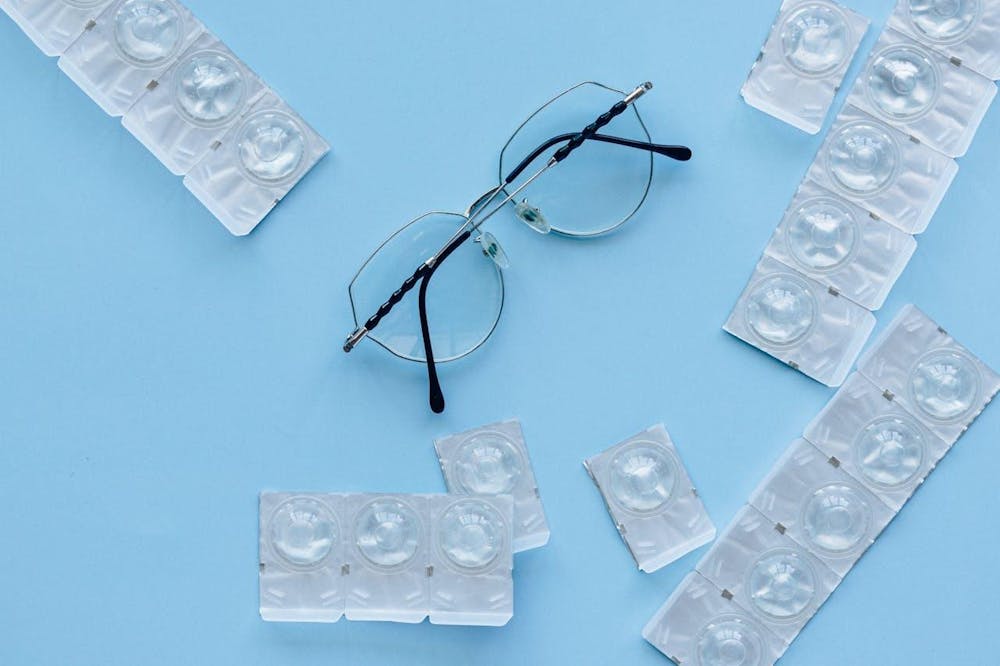
Choosing contact lenses can feel overwhelming, especially for beginners. With so many options available, it’s crucial to understand what to consider before making a decision. This guide aims to provide practical advice on how to choose contact lenses that best suit your needs. From understanding your prescription to considering your lifestyle, this comprehensive guide will help you navigate the world of contact lenses with confidence.
Understanding Your Prescription
Before you start exploring different types of contact lenses, it's important to understand your eye prescription. A visit to an optometrist or ophthalmologist is essential to get an accurate prescription tailored to your eyes. This prescription is different from your glasses prescription, as contacts sit directly on your eyes and require precise measurements.
Your eye doctor will measure the curvature of your cornea and the size of your pupil and iris. They will also check for any conditions that might affect your ability to wear contacts. During the examination, your doctor might use different tests to determine the best lens material and fit for you. This is a crucial step because wearing lenses that do not fit properly can lead to discomfort and even damage to your eyes. Make sure to ask your doctor any questions you might have about your prescription or the fitting process.
Types of Contact Lenses
Once you have your prescription, the next step is to choose the type of contact lenses. Contact lenses come in various types, each designed for different needs and preferences. Understanding the different options can help you make an informed decision.
The most common types are soft lenses, rigid gas-permeable lenses, and hybrid lenses. Soft lenses are popular due to their comfort and flexibility. They are made from soft, water-containing plastics and are easy to adjust to. Rigid gas-permeable lenses, while less comfortable initially, provide sharper vision and are more durable. They are suitable for people with certain eye conditions that require a more precise fit. Hybrid lenses combine features of both soft and rigid lenses, offering comfort and clear vision.
When choosing a type, consider how often you plan to wear your lenses. Daily disposables are convenient and hygienic, ideal for those who prefer not to clean their lenses daily. Monthly or bi-weekly lenses require regular cleaning but are often more cost-effective. If you have dry eyes or allergies, your doctor might recommend lenses made from specific materials that retain moisture better.
Considering Your Lifestyle
Your lifestyle plays a significant role in determining the most suitable contact lenses for you. Think about your daily activities and how contacts will fit into your routine. For instance, if you spend a lot of time in front of a computer, you might experience digital eye strain. In this case, lenses designed to reduce eye strain could be beneficial.
If you are active or play sports, look for lenses that provide stability and are less likely to fall out. Some lenses offer UV protection, which can be a great feature if you spend a lot of time outdoors. Remember that while contact lenses can offer UV protection, they do not replace sunglasses. It's important to wear sunglasses as well for full protection against harmful rays.
Another factor to consider is convenience. If you travel frequently or have a busy schedule, daily disposables might be the best choice. They require no maintenance and can be easily replaced. However, if you prefer a more eco-friendly option, lenses that you can clean and reuse might be more suitable. Consider all these aspects to find lenses that align with your lifestyle.
By following these guidelines and consulting with your eye care professional, you can choose contact lenses that not only enhance your vision but also fit seamlessly into your lifestyle. Take the time to research and consider all factors, and you'll be on your way to making an informed decision. As you explore your options, consider checking out https://www.contactlenses4us.com/ for a range of products that might meet your needs.


