
New research from the IU Department of Biology is exploring the importance of genetic diversity in plants.
Spearheaded by Professor Leonie C. Moyle, the research focuses on genetic divergences in 13 species of tomatoes, and the evolutionary developments that caused these divergences. Moyle’s research was funded with a $1.18 million grant from the National Science Foundation, according to an IU press release.
“This study reveals new details about the unexpectedly complex genetic mechanisms that drive the diversification of plant species,” Moyle said in the press release.
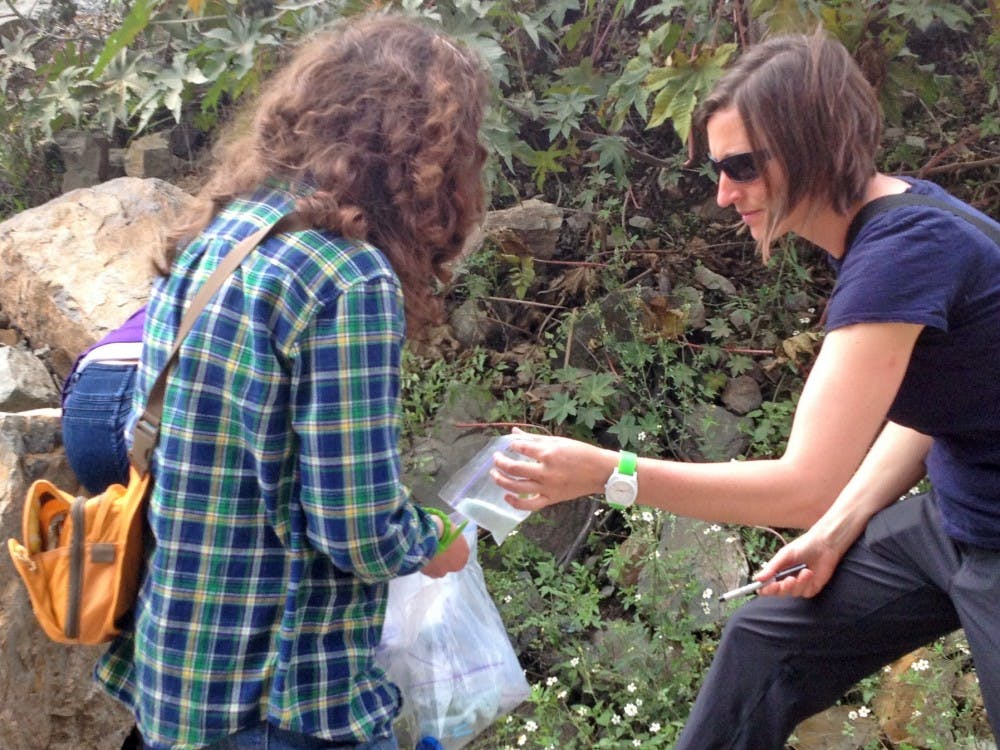
Tomatoes were the ideal specimen for the research because they are an ecologically and reproductively diverse plant group, according to a press release. In May of 2014, Moyle visited Ecuador alongside a team of researchers to collect different species of tomatoes native to the Andes Mountains.
The research resulted from the study could be used to help cross-breed more resilient crops. This is particularly challenging in a time of drastic climate changes and also depends on researchers’ ability to boost crops’ resistance to pests and severe weather.
“There are lots of potentially valuable traits in wild tomatoes,” Moyle said in the press release. “Our ability to precisely trace genetic histories in these species might help plant breeders identify desirable traits that can be re-introduced from wild species into commercial types using cross-breeding.”
With the help of modern technology, IU’s researchers analyzed the “flow of genes” between the different species of tomatoes and examine the genetic roots of their genetic adaptations.
Three “genetic strategies” of the tomato’s fast adaptation skills were identified in the team’s research: the “recruitment” of genes from a common ancestral pool, trading genes between species through natural cross-breeding and new genes arising from “de novo” evolution.
The last of these — the surprising number of new genes — is evidence of many mutations in tomatoes’ genetic pools. The researchers found hundreds to thousands of mutations in protein codes in groups from the four larger groups of tomatoes used in the study.
For example, all the species that most resemble the domesticated tomato displayed changes in 10 enzymes contributing to the distinctive red pigment.
Other examples of genetic variations demonstrated more extreme differences, producing tomato species capable of surviving in “the driest deserts on Earth and the high peaks of the Andes,” said James B. Pease, a postdoctoral researcher who was a Ph.D. student at IU during the study, in the release.
“Although wild tomato species are very different in many traits from the domesticated tomatoes we eat by the millions, they are surprisingly similar at the genomic level,” Pease said in the press release.
Other contributors to the study were Matthew W. Hahn, professor in the IU School of Informatics and Computing and Department of Biology, and David C. Haak of Virginia Tech, another postdoctoral researcher at IU at the time of the study.
Taylor Telford



