
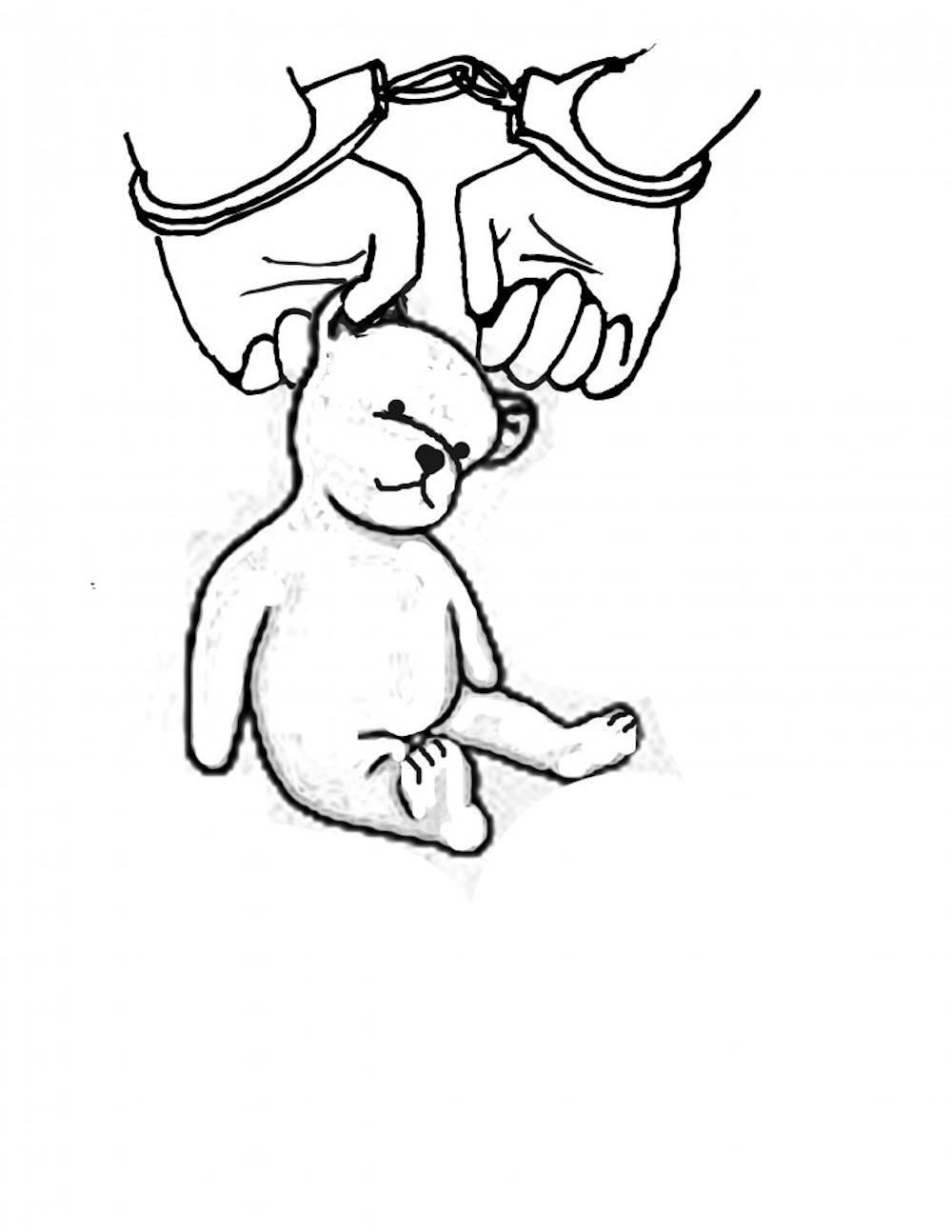
A 10-year-old boy was charged as an adult for homicide in Pennsylvania after beating a 90-year-old woman to death because he was angry that she had yelled at him.
In Pennsylvania, minors cannot be charged with criminal homicide, and subsequently the boy was charged as an adult.
Tristen Kurilla, the 10-year-old, told police that he didn’t want to kill the victim, just harm her.
Conservativetreehouse.com said the boy’s attorney, Bernard Brown, is attempting to get a competency hearing for Kurilla, saying that he may have serious mental health issues and that he may not have understood what it was he was doing.
Any 10-year-old can be yelled at, and children can be violent with each other and with other people when they are emotional. But to react as extremely as Kurilla did, in fact, indicates that something might be seriously wrong with him.
Too many times someone’s mental health issues are not dealt with until they commit a crime. By that point, they face time in prison, where the likelihood of getting treatment is very small.
According to the Bureau of Justice Statistics, by 2006, a quarter of both state prisoners and jail inmates who had a mental health problem had served three or more prior convictions.
Female inmates have higher rates of mental health problems. In state prisons, 73 percent of females and 55 percent of males had mental health issues, and in federal prison, 61 percent of females and 44 percent of males had some sort of problem.
However, only one in three state prisoners and 1 in 4 federal prisoners had received treatment since ?admission.
This is unacceptable. Too often the stigmas associated with mental illness prevent the sufferers and their family members from seeking help until it is too late.
If this boy does have the issues that his attorneys have alleged, he’s been exhibiting signs since he was able to walk.
He needed to be coached and taken to therapy. Someone needed to be monitoring him. Instead, he was allowed to live uninhibited for so long that he caused serious harm.
Prison is not the way to care for people who are criminally insane. In 2009, NBC reported on Phillip Paul, a father living in Spokane, Wash., who had killed a woman in 1987 because the voices in his head told him to do so.
He was one of 31 patients who had also committed a crime due to their mental health problems and who have all been released, are unsupervised, and are not cared for.
We need to change the way we deal with criminals whose crimes stem from a deeper issue.
While we agree that they need to be punished, they also need to be handled in such a way that they no longer present a threat to themselves or others.
We can use Kurilla’s case as a cautionary tale, and we should work to care for this misunderstood class of criminals ?before it’s too late.


