Few white filmmakers have as complicated a relationship with race as George Lucas.
While he was directing one script that featured the egregious minstrel-show stereotype Jar Jar Binks, he was aggressively shopping another that made the members of the all-black Tuskegee Airmen pilot corps into action heroes.
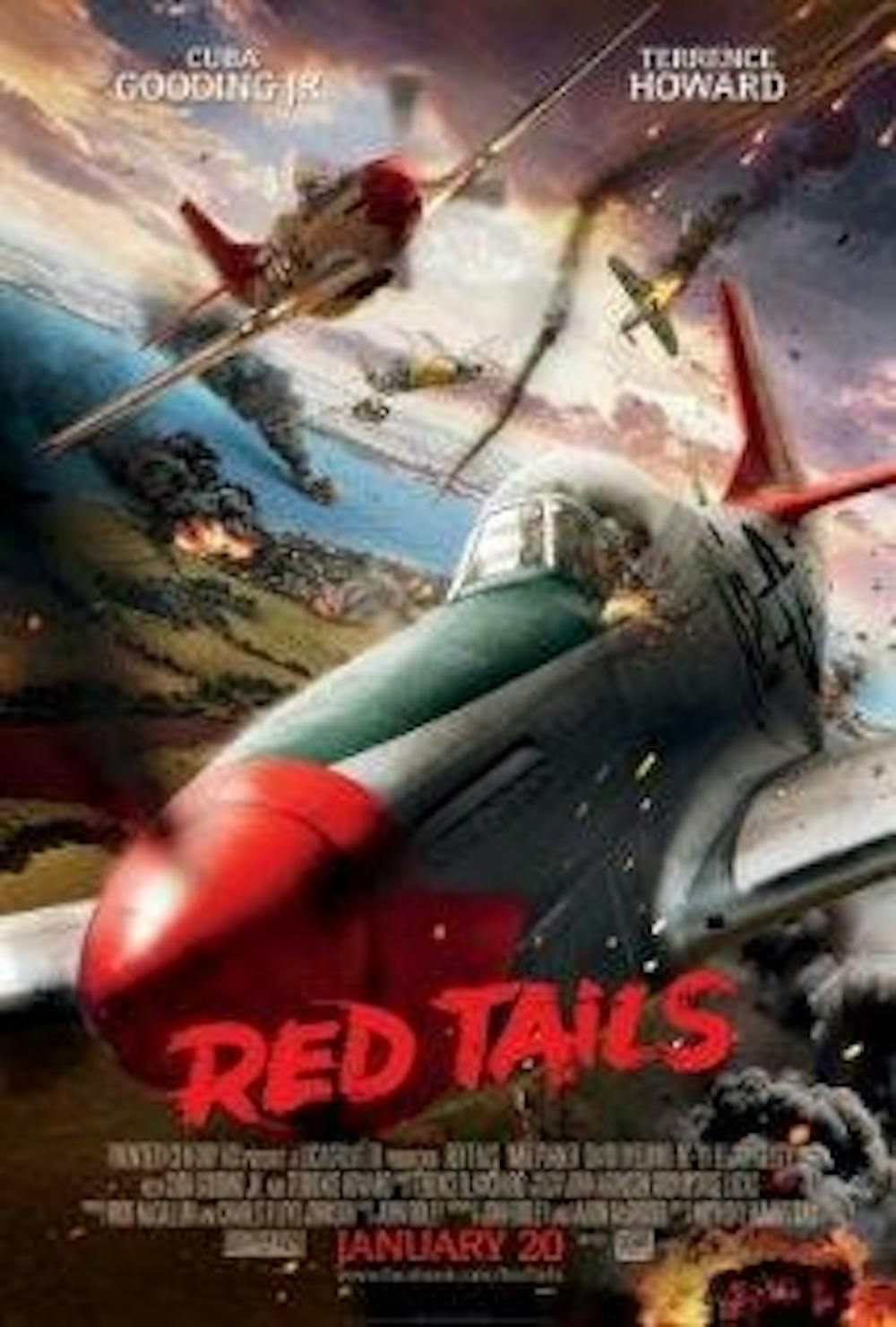
The latter screenplay became “Red Tails,” a film that Lucas produced and financed out-of-pocket when the major studios wouldn’t back an expensive blockbuster with an entirely African-American principal cast.
A recent New York Times profile of Lucas rightly called out his naïveté. Naturally, the man behind “Star Wars” and “Indiana Jones” sees the world in stark black and white terms. He told the Times reporter that black Americans “have a right to have their history just like anybody else does” before adding that they also deserve to have it “Hollywood-ized and aggrandized and made corny and wonderful, just like anybody else does.”
If nothing else, “Red Tails” certainly does that. It’s a boisterous thrill ride from front to back, with only occasional breaths taken for half-hearted dialogues on race relations. The focus isn’t put on how the Airmen were treated by whites back home but on how proficient they were in the cockpit, and massive action set pieces take up most of the screen time.
The dogfight choreography is excellent, even when director Anthony Hemingway models it too closely after Lucas’s famed starfighter battles, and a pair of strong performances by Terrence Howard and Cuba Gooding Jr. anchor the sometimes overwhelmingly large cast.
In some ways, it’s frustrating that “Red Tails” doesn’t engage with some of the bigger issues that come with any retelling of the Tuskegee story. Sure, the white officers don’t like having the black pilots around at first, and sure, Bryan Cranston’s character says some nasty, racist stuff, but ultimately, this is an action movie, and it’s treated as one.
The circumstances under which Lucas saw his vision come to life say far more about race in America in 2012 than the actual film says about race in America in 1944.
Likewise, the position of “Red Tails” in this present cultural lexicon is more interesting than “Red Tails” itself. What the movie does have going for it is fun, and it heaps it on by the ton.
'Tails' of Tuskegee
Get stories like this in your inbox
Subscribe