A hit YouTube video posted on Dec. 20, 2011, depicts Adolf Hitler intently studying a map of Germany in his bunker, surrounded by many loyalists. One of his generals points to a spot on it near Berlin before nervously informing him of heavy news, which is incorrectly translated into English subtitles: His covers of Katy Perry and Justin Bieber songs, which he posted online, are in jeopardy of being removed under a pending law called SOPA.
The notorious dictator then calmly asks everyone except his six closest confidants to leave the room before exploding in a rage and panic-filled rant about — as the subtitles indicate — his First Amendment rights. Just outside the door, within earshot of the outburst, a woman consoles a crying friend: “Don’t cry, Disney owns the rights to that emotion.”
The clip is one of the more successful entries in a popular 5-year-old trend of viral videos that each use similarly farcical subtitles to parody the climactic four-minute scene of the 2004 German WWII drama “Der Untergang” (“Downfall”), in which Hitler learns of his army’s imminent defeat.
While Hitler’s pop covers are imaginary, the possibility of an imminent legislation that could take down YouTube covers is real, and — as the creator of “Hitler reacts to SOPA” surely knew when posting it — threatens these parody videos as well.
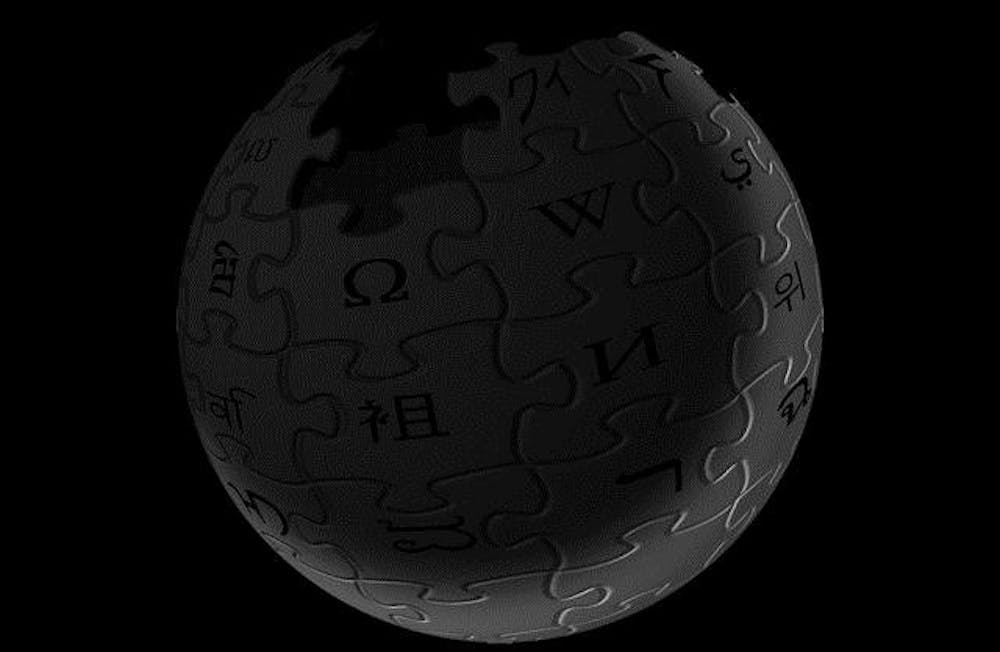
It’s also a prime example of the recent immense online backlash to SOPA, the “Stop Online Piracy Act,” which began with the legislation’s introduction to the House of Representatives in October and culminated in an internationally resonant protest early Wednesday morning with the 24-hour blackout of the English Wikipedia.
SOPA would combat online intellectual property infringement by granting copyright holders more power to block online content they believe is infringing. Its sister bill in the Senate, the PROTECT IP Act (PIPA), essentially proposes the same. Together, they have sparked what is perhaps the most controversial legal movement involving the online entertainment industry — and quite possibly the Internet — ever.
Mark Janis, director of IU’s Center for Intellectual Property Research and Robert A. Lucas Chair in Law, said he believes this widespread dispute, if nothing else, is a healthy one.
“I do think it’s interesting that there is that level of attention being paid to this legislation,” Janis said. “There needs to be a broad debate around these issues.
“Intellectual property legislation, which used to be this exercise off in the peripheries of the law, is more and more mainstream — even something like this that is technically complex. So I would say that I’m really glad that people are paying attention and expressing their views.”
A big part of the online community’s fear of the pending legislations revolves around ambiguities within SOPA and PIPA and the uncertainty of how far they could allow copyright holders to go. Varying interpretations on the Internet have led to liberal use of the term “censorship.”
SPEA Associate Professor Beth Cate, who has worked in copyright and intellectual property law and spoke in China last October about copyright law with regards to digital libraries, said she isn’t so alarmed. Ambiguity is often inherent in proposed regulations that surround delicate legal issues such as piracy, she said.
“Digital piracy is a problem,” Cate said. “But inherently, you’re going to get into concerns about that gray area — where if there’s legitimate speech on a site with other material that might be considered infringing, how wide a net will be cast to take that down?”
Still, the opposition to SOPA and PIPA has not been limited solely to YouTube commenters and BitTorrent users. Last Friday, six senators wrote House Majority Leader Harry Reid, calling for PIPA to be reconsidered.
On Monday morning, the White House issued an official opinion on SOPA and PIPA, calling for them to be “shelved” until they can garner a bigger consensus.
“We will not support legislation that reduces freedom of expression, increases cybersecurity risk or undermines the dynamic, innovative global Internet,” the statement said.
So what does this mean for SOPA’s, PIPA’s or any possible derivative legislation’s chances of passing? For Cate and Janis, it’s too early to make that call, but they said they expect the administration’s comment should certainly quell the buzz for the time being.
“When you get a strong statement like that out of the White House on a highly technical piece of legislation like this, that’s highly significant and likely to mean a lot more than the blackout of Wikipedia,” Janis said.
“When the administration says, ‘We gotta really step back and take a look at this,’ that’s going to have an impact,” Cate said. “So stay tuned.”
SOPA, so what?
Get stories like this in your inbox
Subscribe