The depth of Europe’s history in relation to the United States’ is undeniable. With countries established thousands of years before the idea of North America was even conceived, Europeans had a head start in establishing neighborhoods and architecture.
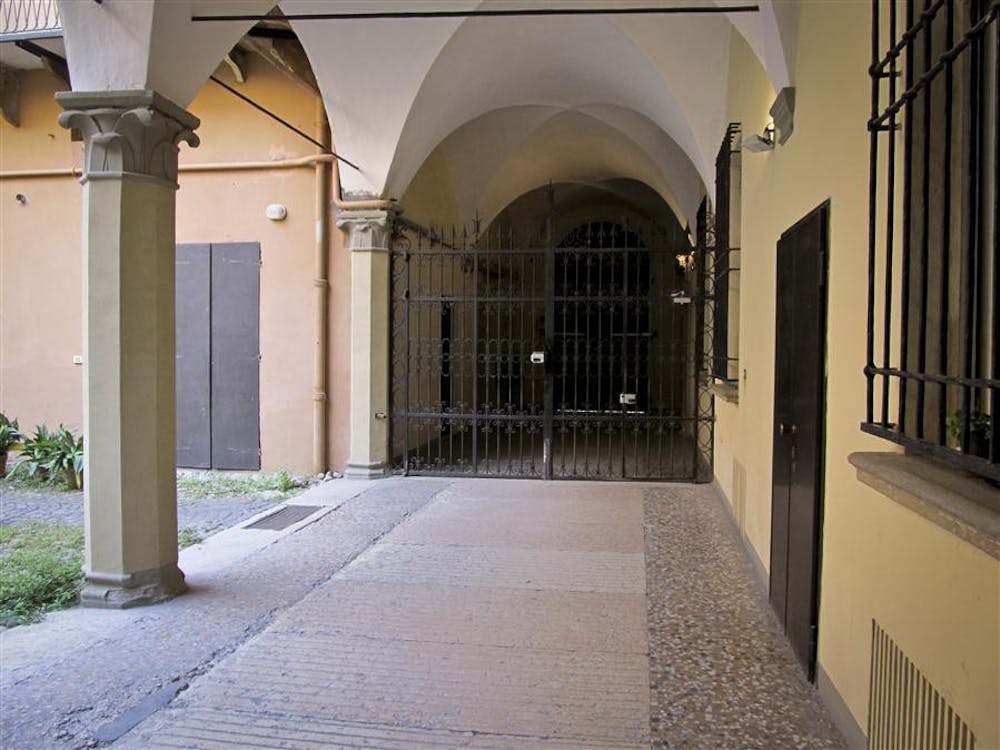
The facades of ancient buildings feature brick or stone arches, warm colored coats of paint and an undeniably European aura. The age of these buildings paired with cultural differences makes for a unique living situation while abroad.
Security in Italy is unparalleled; between the thick wooden doors that open buildings and the wrought iron gates that lead to stairs, Italians have perfected the way to avoid unwanted solicitation.
After being buzzed into a building, one must climb flights of stairs in order to reach his or her apartment of choice. It took me all of three days here to realize how Italians thrive on carbs but remain in top shape.
Like freshmen at IU, it was necessary to research different parts of Bologna when I was deciding where to live. The center of Bologna is equivalent to the stereotypes that surround campus’ Northwest neighborhood. Inside the city walls, you’re closer to people, places and, as a result, parties. The cost of having these within a 10-minute walk is reflected in the elevated rent that you pay each month.
The other part of town, an area where residents are known to live “outside the walls,” is much more reserved and industrial.
A noticeable difference is present in residents’ ability to see nature on a daily basis. Beyond the dying basil plant in my urban kitchen windowsill, I sadly can’t tell you the last time I’ve come into contact with Mother Nature.
While the differences between the city and suburbs remain the same regardless of the continent, the features of each home are much different. Here, I’ll point out a few of the more notable differences of Italian university living compared to North American.
Unlike many universities in the U.S., the University of Bologna does not provide student housing for any pupil, regardless of year. This lack of housing security forces students to be proactive and find their own flyers posted throughout the city.
From these flyers, visits are scheduled, and if all goes according to plan, you’ll soon have a new home. If not, you return to the daunting city walls plastered with roommate requests to search for more potential home options that restart the often disappointing Italian housing cycle.
Since most Italians return home during weekends to spend time with family, eat their mother’s cooking and wash clothing, they often opt to share a bedroom with another person to cut down on their city apartment rent. While it’s more common than not to see this arrangement throughout Italy, the mandatory year of forced cohabitation as a freshman seems to be enough for many students in the States.
While I’ve pined for my dryer after putting on a pair of still-wet jeans or lamented the inability of friends to come directly to my door, I’ve embraced the advantages Italian life offers.
— jonsbrl@indiana.edu
Column: Gateways of Bologna make la bella casa
Get stories like this in your inbox
Subscribe