In the wake of the attempted Christmas Day bombing of a Detroit-bound Northwest Airlines flight, a number of issues that have been contentious in the past have returned to the forefront.
Three of the most important of these issues are concerns about radicalization occurring in Yemen, the difficulty of striking a balance between a too-restrictive and too-permissive no-fly list, and the question of whether terrorists detained on U.S. soil should be tried in civilian court or a military tribunal.
On the first of these issues, the disturbing frequency with which people (usually young men) are converted to radical Islam and incited while in Yemen to commit acts of terrorism demands that President Obama halt (at least temporarily) the repatriation of Yemenis being held at the detention facility at Guantanamo Bay, Cuba. At press time, reports indicate that he is planning to do so.
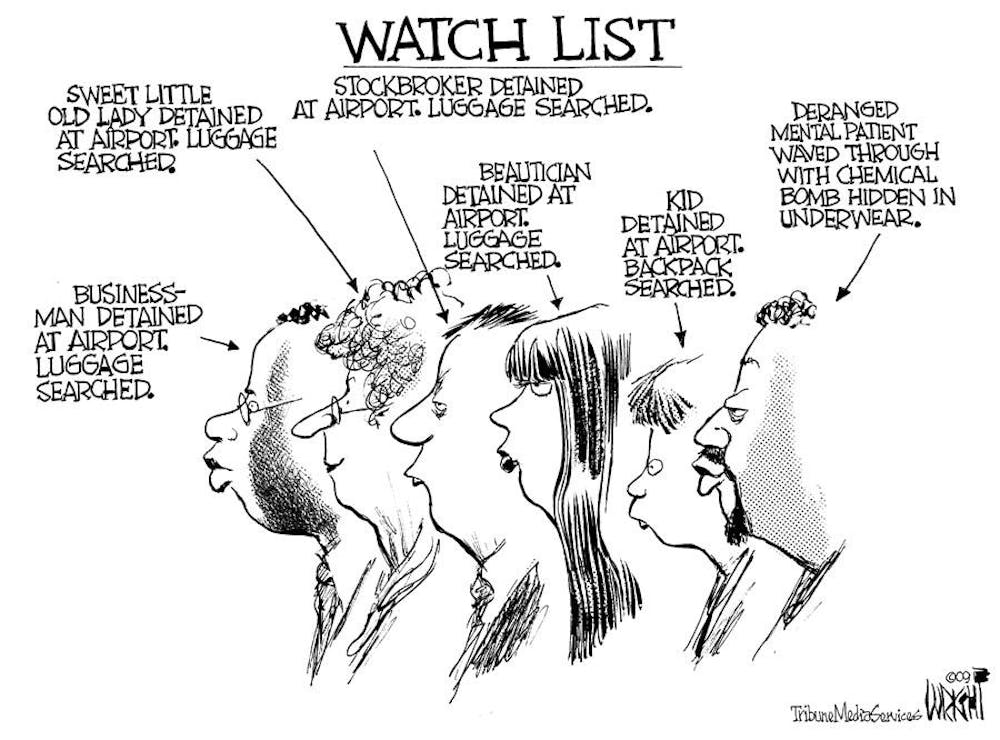
The second issue, that of the size and composition of the no-fly list, was addressed astutely in the Washington Post by attorney Justin Florence. Florence proposes that, “instead of simply reducing the number of names on the no-fly list or raising the bar for a name to be listed,” as was the policy change after a controversy several years ago involving the appearance of the names of several infants on the no-fly list, “the government should make it easier for wrongly listed travelers to clear their names.”
By doing so, Florence argues, we can ensure that dangerous people are not removed from the list but that the list does less to inconvenience those who do not belong on it.
Although he doesn’t explicitly recommend it, Florence also acknowledges the option of expanding the list again to include people like Umar Farouk Abdulmutallab, the failed bomber, who was not added to the list prior to his flight.
The third issue, the question of how people like Abdulmutallab should be tried, is more difficult because, while there is no precedent for trying people detained in similar circumstances before a military tribunal, the fact that he ceased divulging information upon receiving legal counsel should at least give the Obama administration cause to evaluate this policy.
Terror plot re-ignites debate
Get stories like this in your inbox
Subscribe