As the 2009 United Nations Climate Change Conference drew to a close in Copenhagen this week, the world’s policymakers should bear in mind the lessons of what has come to be known as “Climategate.”
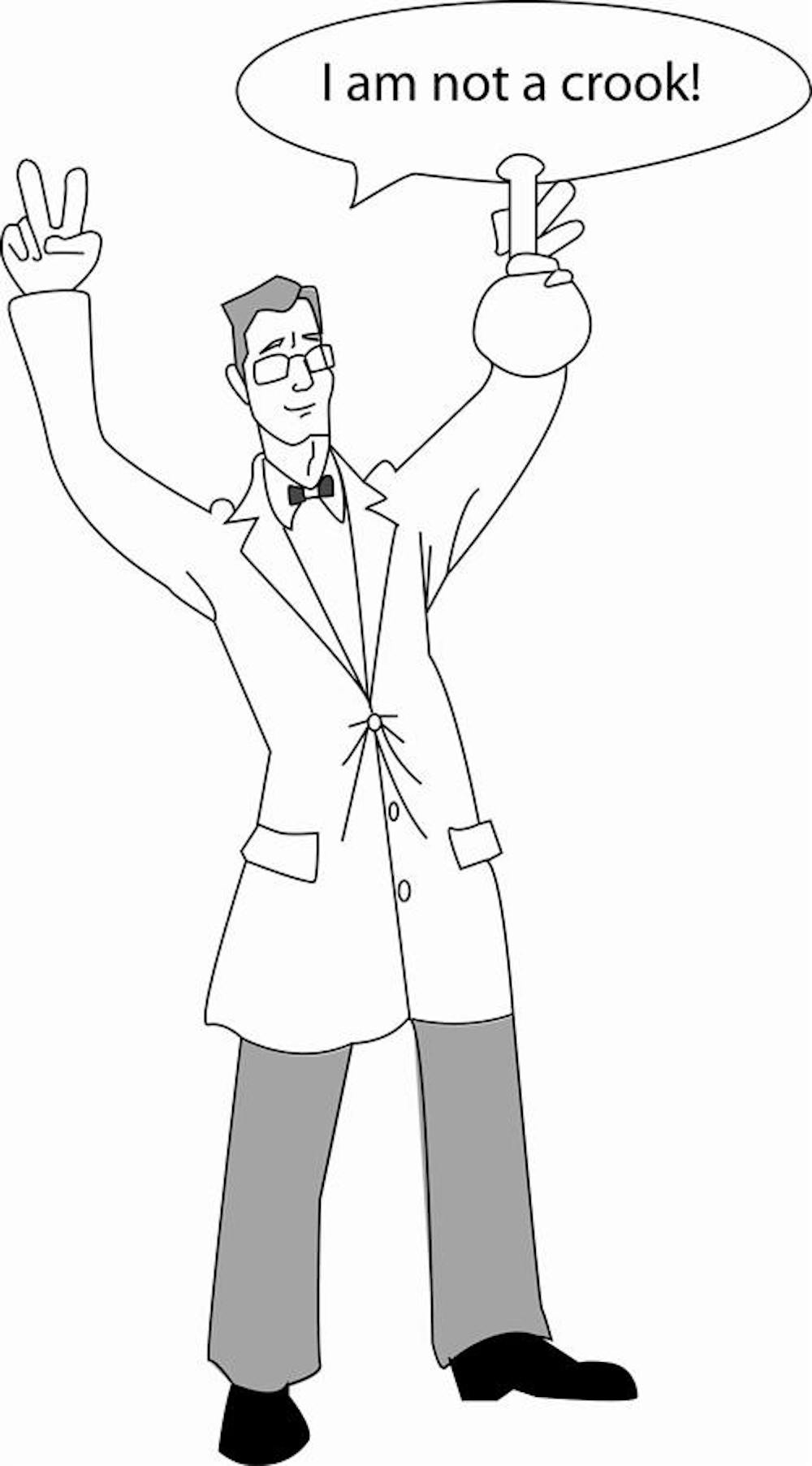
Climategate, the scandal that has arisen surrounding the theft of about 1,000 hacked emails and other documents from the archives at the Climatic Research Unit at University of East Anglia in southeast England, has been a hot topic since news of the theft broke in November. It has come back to the forefront in light of recent events.
On Saturday, the Associated Press completed what it called an “exhaustive review” of the e-mails in question and concluded that the e-mails “show (that CRU scientists) stonewalled skeptics and discussed hiding data – but the messages don’t support claims that the science of global warming was faked.”
The AP investigation came several days after the university announced it would conduct an internal investigation into the matter.
While the report seems to exonerate the CRU scientists of the most heinous charge leveled against them by critics, namely that they fabricated the science of global warming, it nevertheless leaves open the question of why they went to the trouble of marginalizing skeptics and considered destroying data if their science was solid.
Also problematic for the CRU and its defenders in both the scientific community and the political arena is the assessment of skeptics such as Richard S. Lindzen, the Alfred P. Sloan Professor of Atmospheric Science at the Massachusetts Institute of Technology, who denies that global warming is caused by anthropogenic carbon dioxide emissions.
In the past, Lindzen has noted that predictions based on the response of one number to one piece of data are grossly simplistic and that, furthermore, the assertion that “the very existence of warming or of the greenhouse effect is tantamount to catastrophe” is “the grossest of ‘bait and switch’ scams.”
Lindzen asserted in a recent op-ed piece in The Wall Street Journal, “It is only such a scam that lends importance to the machinations in the (CRU)emails designed to nudge temperatures a few tenths of a degree.”
Especially in light of the fact that a record number of Americans now believe the seriousness of global warming is exaggerated, policy-makers should tread carefully as they consider making major changes based on science that might well be far from
settled.
Taming the scandal
Get stories like this in your inbox
Subscribe