In 1620, a group of English Separatists – who would later be known as the “Pilgrims” – found their way into Cape Cod Bay and established the colony of New Plymouth.
After a winter of suffering in which over half the colonists died from diseases they’d contracted while aboard the ship, spring and summer saw them get back on their feet with the help of new world crops introduced to them by the Wampanoag Indians. That fall, the small band of surviving settlers gathered with a large group of Wampanoag to celebrate a bountiful harvest.
Everyone in America knows this historical reading of our legend of the “First Thanksgiving.” We find a connection to the past every fall when we gorge ourselves on the same foods the Pilgrims had in plenty during their feast nearly 400 years ago.
But how congruent were the menus? For sure, there are similarities, but there are also many differences between what we eat now and what they ate then.
Let’s start with the main course – the turkey. It’s likely that the Pilgrims ate the wild fowl as part of the first Thanksgiving and as part of their regular diet. According to the journal of the Plymouth governor at that time, William Bradford, “ther was great store of wild Turkies (in the region), of which they (the colonists) tooke many.”
His journal also names cod, bass, water fowl and venison as among the meats the colonists enjoyed. And considering their proximity to the sea, clams and lobster could have also been eaten, though to the Pilgrims lobster was considered a low-class food, so maybe not.
A future governor, Edward Winslow, mentions specifically that the Wampanoag hunters and their chief, Massasoit, “went out and killed five Deere,” which they then presented to Governor Bradford and the rest of the assembled colonists.
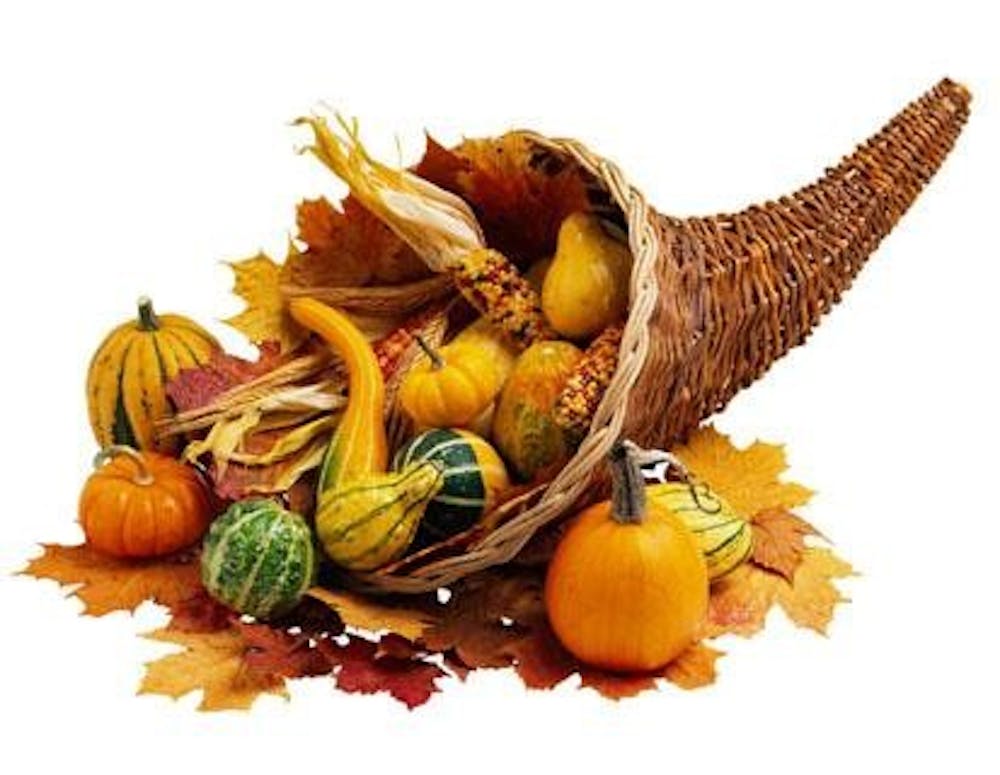
It is also known that the Wampanoag taught the Pilgrims how to plant native crops such as corn, beans (which they might have used to make cornbread and succotash) and squash, including pumpkin.
But did they have the scrumptious pumpkin pie that is a staple of the today’s dessert table? Probably not, considering they would have exhausted all of their sugar supplies on the way over.
Stewed or fried pumpkin is much more likely. Flour was also in short supply, so breads were likely out of the question. Also, the Pilgrims had no ovens for baking, so they would not have had most of our traditional desserts.
Though there was no sugar, they would have spiced up their cooking in other ways. William Hilton, who arrived in Plymouth from England shortly after the first Thanksgiving, mentions that the surrounding countryside yields an abundance of “walnuts, chestnuts, small nuts and plums, with much variety of flowers, roots and herbs,” but no cranberries.
Sounds like a delicious feast to me, even if some of it’s not what we’re used to.
What the pilgrims really ate
Get stories like this in your inbox
Subscribe