What is it about the 1990s that people love so much? Currently, ’90s instant nostalgia is infiltrating and infesting all of American pop culture.
Was it “Seinfeld”? Kurt Cobain? Plaid? Bill Clinton? The rise of hip-hop?
Let’s hope it’s the last one, rather than the penultimate.
And in the 90s, Wu Tang Clan took the cake as the de facto favored hip-hop collective for discerning indie listeners.
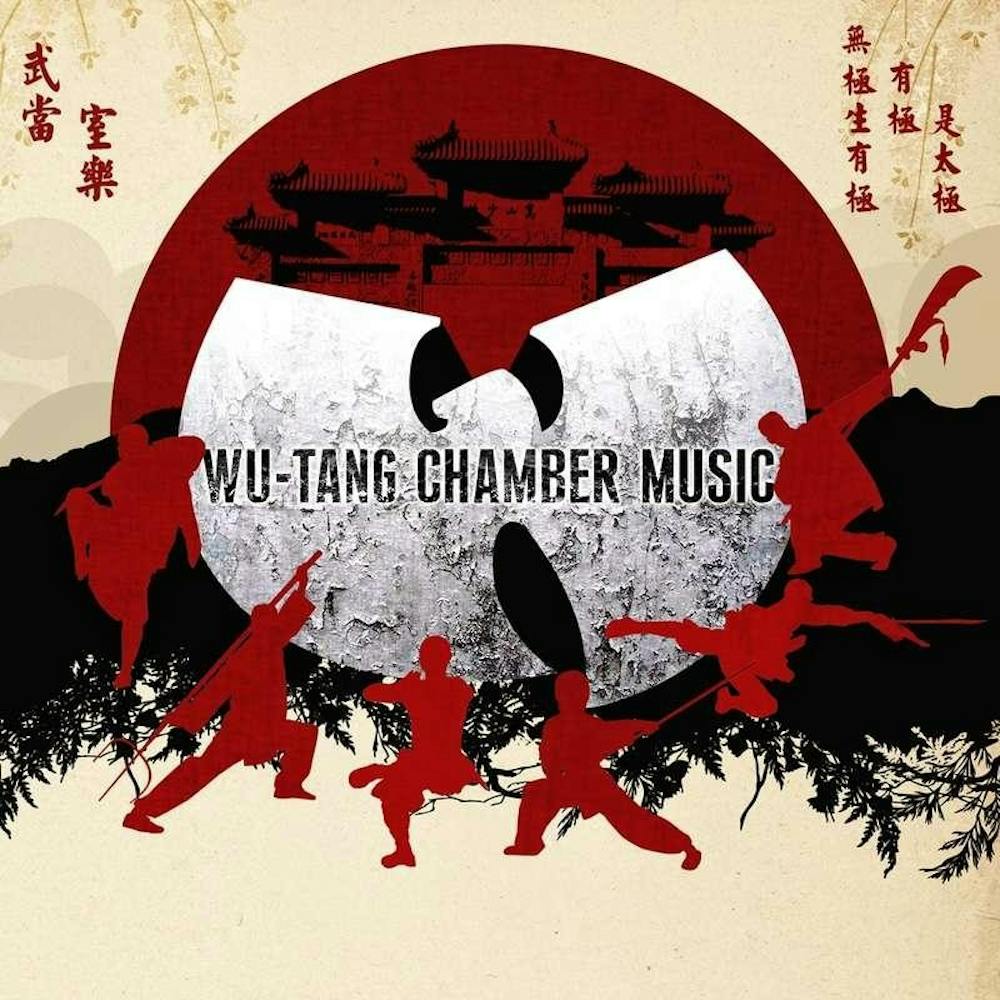
More than a decade later, E1 released their latest album, “Chamber Music.”
Although “Chamber Music” might bear the clan’s trademark “W,” few true Wu Tang Clan members participate in this record.
Instead, New York veteran rappers Sean Price and Carmenga come to the forefront of this record with their collaborations with less prominent clan members.
The album’s supposed 17 titled tracks mislead listeners and potential customers.
All but eight of the “songs” are spoken word transitional pieces or movie sound bites.
Other than all of the advertising duplicity and gimmickry, “Chamber Music” actually suffices as an album.
Although RZA didn’t produce any of the beats (he only contributed as an executive producer), the simple, functional rhythms provide a perfect background for the clan’s sophisticated, philosophy-tinged lyrics.
Forgiving the artists for their saccharine choruses, intricate lyrics fill the album, leaving the listener wanting to put songs on repeat to catch every poetic verse from each of the copious stanzas.
In keeping with the hip-hop genre, the album presents stunning indictments of the killjoy apparatchiks that pervade every minutiae of modern mainstream “ringtone” ridden rap.
Other notable lyrics focus on pop culture, Twitter, advancing technology and sex.
Along with numerous other critical songs from RZA and Ghostface Killah, “Chamber Music” further polarizes Wu Tang from contemporary rap music.
And thankfully so.
“Chamber Music” is a refreshing dose of righteous def poetry put to functional beats, hip-hop in its simplest form.
'Hip-hop in its simplest form'
Get stories like this in your inbox
Subscribe