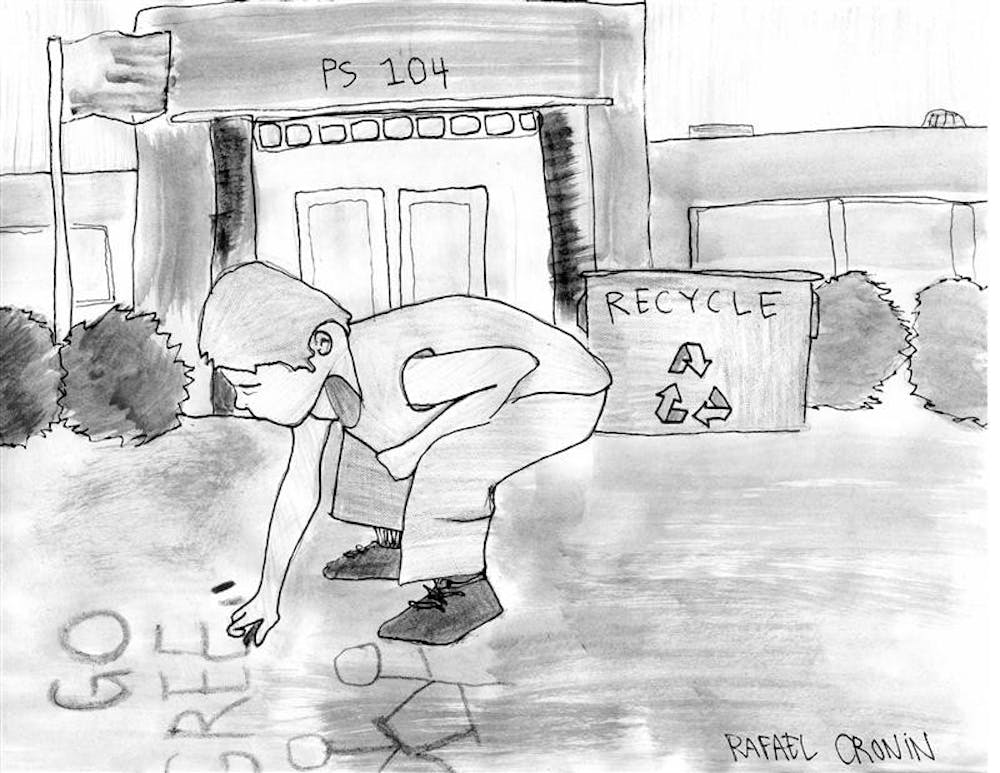
WE SAY The costs of going green outweigh the benefits.
More green projects are being considered by Congress, including the 21st Century Green High-Performing Public School Facilities Act, which is designed to modernize and renovate public schools while encouraging the implementation of green technologies. It passed the House of Representatives earlier this month and so will head to the Senate next.
This bill should come as no surprise for Americans, specifically Hoosiers. Part of the American Recovery and Reinvestment Act set aside money for green schools, and last year Indiana State Superintendent of Public Instruction Suellen Reed urged school districts to utilize renewable energy technology to cut energy costs.
In fact, last year the Indiana Department of Education conducted a yearlong initiative called “Learn Green, Live Green.”
But a study conducted by the National Center for Policy Analysis, a conservative think tank, reported that, so far, green schools have been less energy efficient than the newest non-green schools from the same region, and that green school construction costs are much higher.
This is disappointing. It took environmentalists in the United States a long time before they began to use economics to make the appeal for green initiatives, so it’s frustrating that many of these initiatives aren’t actually economical.
In the face of news like this (and during a time when gas prices remain relatively low and the media is occupied), the argument for going green changes. After all, politicians need only three phrases to sell a policy: say that they will combat social discrimination, save the environment or help our children. Lucky for this bill, it can utilize two of them. And it is.
Proponents of the bill even went as far as to say that these schools, with a greener and therefore healthier quality, would decrease absenteeism. If that were the case, then going green could help solve our education problem, too! Actually, green schools had the same or slightly higher rates of absenteeism.
This tactic of appealing to paternal love, etcetera, isn’t working with the American people though. Wells Fargo and Gallup conducted a nationwide survey of small businesses earlier this week and found that the public is not willing to pay the extra price for green products. This suggests that environmentalists must find a way to make going green economical if they’re going to win over the American public.
But, so far, the costs of switching to green technology outweigh the benefits.
Schools going green
Get stories like this in your inbox
Subscribe