
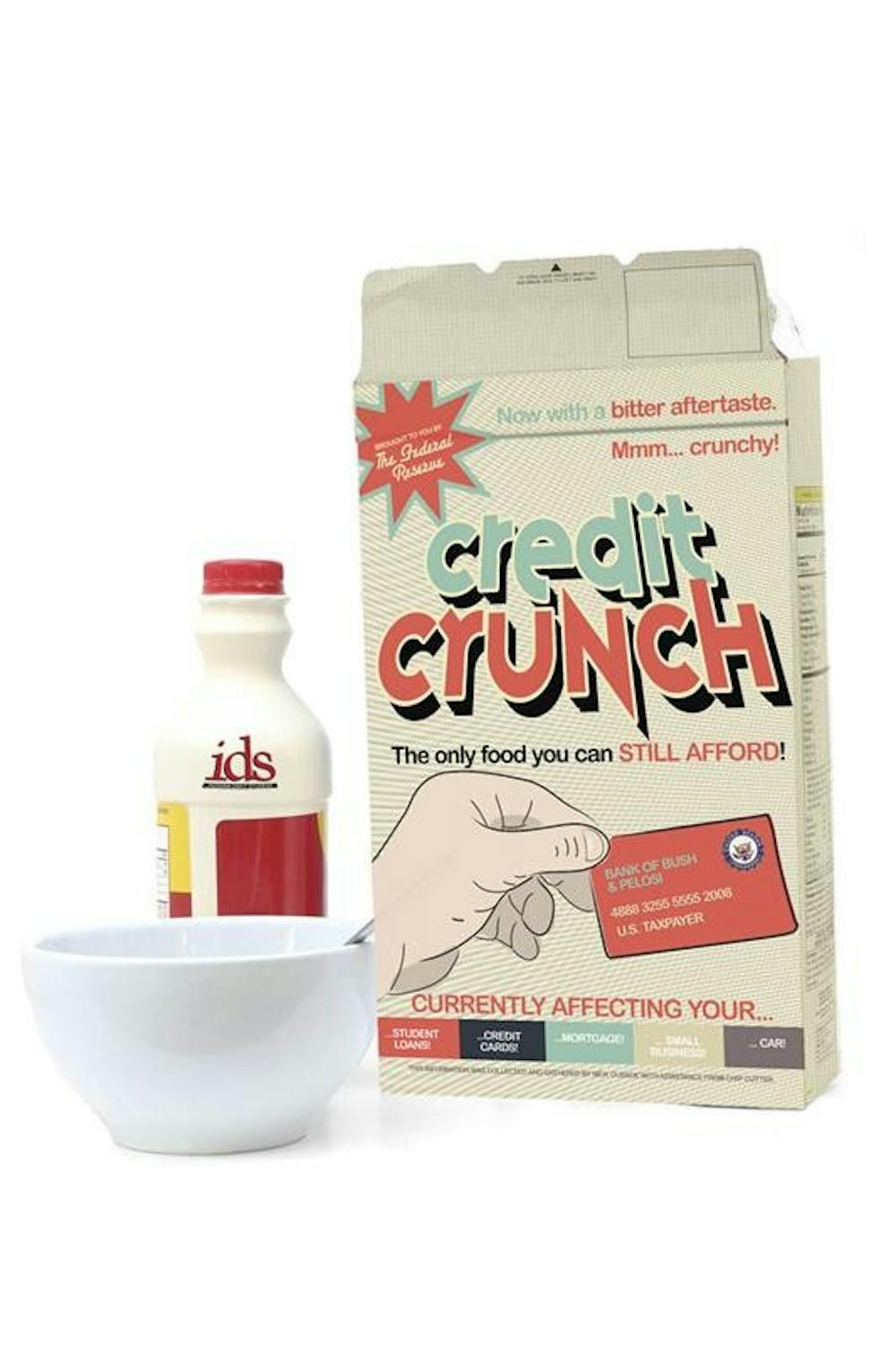
The economic upheaval has left banks and lenders short of money. Here’s a look at how the credit crunch could affect you:
Student Loans
There have been problems with students trying to get loans, said Mark Kantrowitz, publisher of FinAid.org.
He said there are two types of student loans – private and federal. Private loans are harder to get because the minimum credit score has gone up and many require a credit-worthy cosigner.
The Ensuring Continued Access to Student Loans Act of 2008 makes sure that federal loans are available. The Parent Loan for Undergraduate Students (PLUS) loan program requires that the parent borrower has a fairly clean credit history – with no foreclosures. The Stafford loan doesn’t.
Kantrowitz said students will have to hunt for a lender because 137 lenders stopped issuing federal loans, and 36 stopped issuing private loans. Some of the lenders stopped selling loans and survive by nursing outstanding loans, while some have simply gone out of business.
He said students should look for federal loans first.
“Federal loans are better than private loans,” Kantrowitz said.
He said they’re cheaper, more available and have better repayment terms.
Credit Cards
Because there’s less money for banks to lend, people might have a harder time getting bank-issued credit cards, said American Bankers Association Spokeswoman Carol Kaplan.
Rates for the credit cards aren’t affected, but banks are cutting down on risk, she said. She said credit lines – the amount of money allowed to be charged to credit cards – are being reduced. Banks are becoming more selective, she said, turning down more applications and only giving cards to people they’re sure will pay.
Kaplan also said that people are having a harder time paying off bills. Loan delinquencies have also risen this quarter, she said.
Kaplan said people looking to get a credit card need to take care of their credit.
“That’s where people’s credit reports come into play,” she said.
She said people should examine their credit report and pay bills on time. If someone runs into trouble, she advised that consumers contact their lender as soon as they can – there are several options if they call early.
“Procrastination is not a good idea,” she said.
Mortgages
Mortgages face the same situation credit cards do, Kaplan said. She said it’s harder to get a mortgage to pay for a house for the same reasons.
Those looking for a mortgage need a good credit record. Consumers might also have to pay higher down payments – 3.5 percent on average.
Lisa Sherfield, on the board of directors of the South Central Indiana Mortgage Bankers Association, said that banks are much more careful when giving out loans.
Credit scores need to be higher – from 660 to 740 out of 850 – to qualify than they were before.
Banks and brokers used to be much more relaxed about what it took, sometimes not requiring proof of income or proof of job stability.
As a result, people started defaulting on their loans.
“Not everyone can be a homeowner,” Sherfield said. “People found that out.”
Small Business Owners
Businesses are facing new challenges for several reasons, said Martin K. Donnelly, regional director of the South Central Indiana Small Business Development Center.
Markets have slowed, if not frozen, meaning that access to financial capital is limited, he said.
Since small businesses have higher risk associated with them, new small businesses are being affected the most.
He said banks are reducing the credit lines of businesses associated with credit cards. One business with a $400,000 line of credit and $90,000 outstanding debt had its credit line reduced to $200,000. This leaves little wiggle room, he said.
He said the credit crunch also forces consumers to change their habits and lower discretionary spending at places such as restaurants.
“They more and more opt to buy things that are necessary, not things they deem a luxury,” he said.
Car
Looking to buy a car? Lenders are still financing car loans, local auto dealers said, although some now require higher interest rates or more information about potential borrowers before granting loans.
Craig Richards, owner and general manager of Curry Auto Center, said most consumers think they can’t get approved for a loan, even though that’s not the case.
“We haven’t seen any crunch there at all,” he said. “If you qualified a month ago, you still qualify today.”
Financial lenders are more careful with documentation, he said, to ensure borrowers “are who they say they are.”
Some also require slightly higher interest rates today, said Brian Fiegle, a sales manager at Royal Toyota on South Walnut Street.
One used car dealer, however, said that people with poor credit are having trouble getting loans.
Howard Kimmel of Kimmel Auto Sales, which sells cars for $8,000 or less, said credit markets are getting restrictive.
“It’s as tight as bark on a tree,” he said.
Lenders previously approved people with credit scores of 440 or 460 out of 850. Now, they want to see credit scores of 625 and up, he said.
Business editor Chip Cutter contributed reporting to this story.
CREDIT CRUNCH
How tightening credit could impact your life
Get stories like this in your inbox
Subscribe



