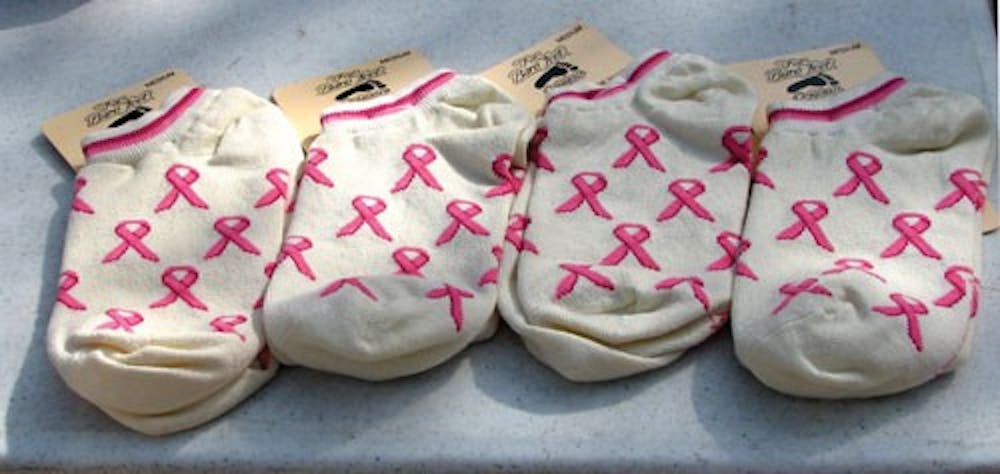
After the death of her husband in 1996, Betty Lou Culler needed something to occupy her time.\nThe Clay City, Ind., woman had been a farm wife for almost 50 years.\n"The farm was all I knew," said Culler, now 82.\nShe and her son Richard Culler, 58, devised a plan that would keep her busy and help maintain their 800-acre soybean, wheat and corn farm.\nThe mother-son team went into the soy byproduct business, providing items such as soy candles, animal feed, soy hand and body lotion and soy massage creams.\nIndiana currently ranks fourth in soybean production in the United States, with about 28,000 farmers cultivating more than 5.4 million acres a year. That accounts for nearly 10 percent of all soybeans in the United States. The Indiana industry is valued at $1.78 billion.\nSuffering from a skin condition and fed up with over-the-counter creams and prescriptions that failed to cure it, Betty Lou Culler's hunt for a soy-based, money-making skin treatment began.\n"My skin would look like dandruff all the time," she said. "I had to find something that would work for me and other people with it."\nTogether with a chemist, the Cullers developed a soy-based lotion and massage cream that could be manufactured and sold for profit. In 2004, the lotion hit the shelves of the Cullers' small store, Eel River Marketing, on Main Street in Clay City, and has been a hit with hometown shoppers.\n"This business is the reason I get up seven days a week. It's my passion. I love what I do," Betty Lou Culler said.\nMegan Kuhn, communications director for the Indiana Soybean Alliance, said the Cullers' skin products aren't new.\n"Soy products – candles and lotions – have been around for several years," Kuhn said. "It's just in the last 10 years, there has been an increase in the products and now they're more public."\nSatisfied with the success of the creams, the Cullers moved to develop and market a new product – soy socks. A skiing trip prompted the idea.\n"I went to Utah and had to buy ski socks, and I was dissatisfied," Richard Culler said. "They were expensive and not very comfortable. I felt like I could make my own and they'd be better."\nWith support from the agriculture college at Purdue University, the Cullers came up with a way to use soy oils to create soy silk threads to make the socks. They introduced the idea to an Indiana company, For Bare Feet Originals, based in Nashville, Ind., which now makes the socks for the Cullers. The socks are made of 75 percent soy and 25 percent spandex.\n"We're hoping to see if there's any medical benefit from the combination of therapeutic oils, and if there's benefit to cancer patients, burn victims and other people who have skin too sensitive for cotton," Richard Culler said.\nThe newest design is a cream-colored footie with pink breast cancer logos splashed all over it.\n"We took our socks, put a logo on them and give a portion of the proceeds to a foundation," Betty Lou Culler said. "They're softer and more comfortable than cotton socks and more eco-friendly."\nThe Cullers use soy products grown and processed by other farmers because they don't have the equipment to make the oils from their own soy crop.\nThey travel across the state, selling their goods at trade shows, fairs and farmers' markets. Betty Lou Culler estimates that more than $3 million has been invested in the business, which grosses about $1 million a year.\nBut she added, "We're not getting rich off of this."\nThe socks cost about $6. The business requires dedication, she said.\n"Do lots of research and develop new products. Prove to the world that it's marketable."\nWhile Betty Lou Culler said the business has become her passion, her son said he wishes he had done a few things differently. He has been a youth counselor and ski resort attendant.\n"If I could turn back the hands of time, I would get married and have kids," Culler said. "But the potential upside of something like this is great. It's a trade-off. My life is good"
82-year-old adds to Indiana soy business with unusual product
Get stories like this in your inbox
Subscribe