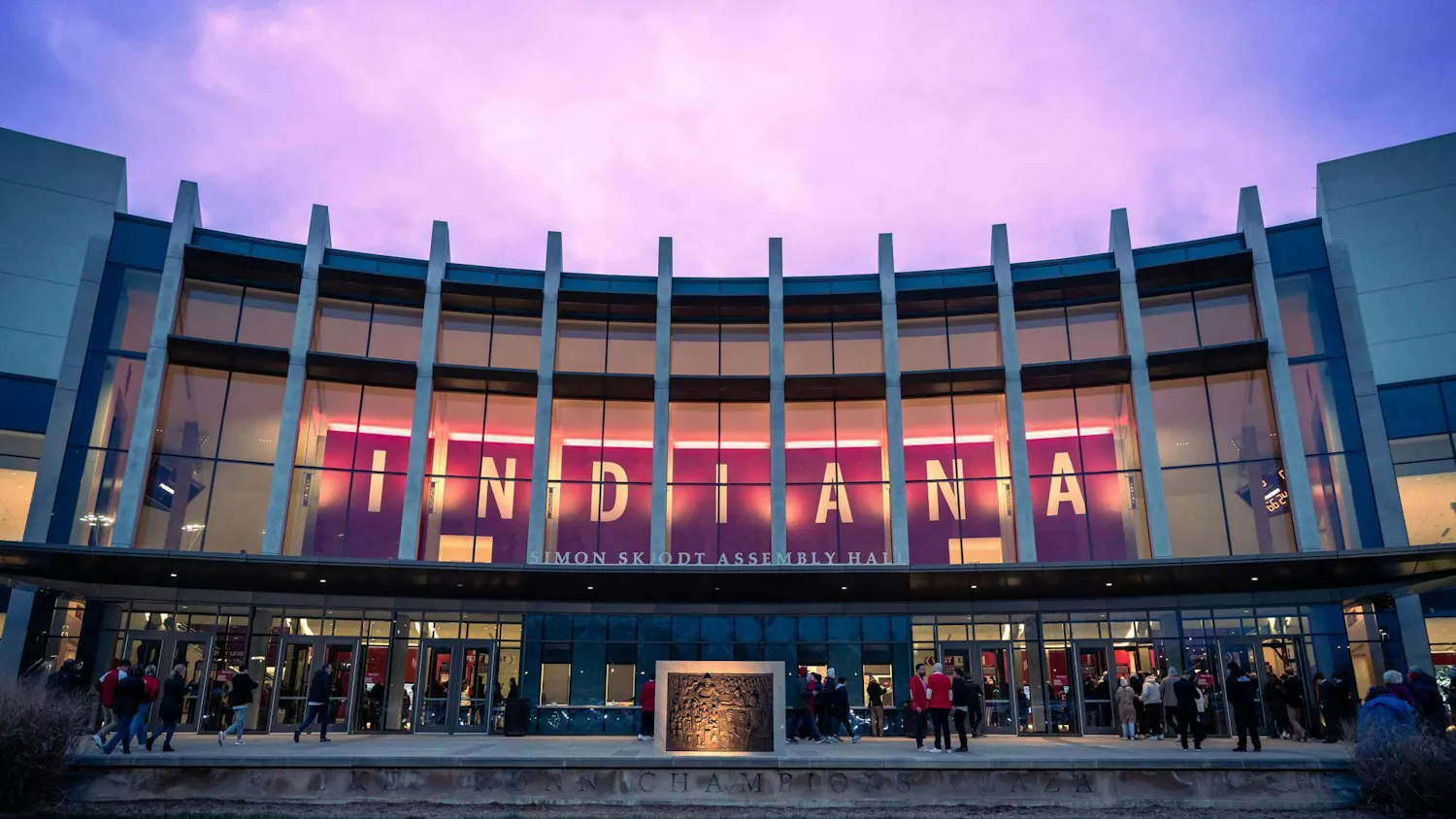
Speaking last Monday in front of 7,500 Hoosiers in Indianapolis, Bush unfolded a new plan to cut more taxes than the $350 billion the Senate had approved. As usual, when it comes to economic policy, Bush is on shaky ground. This is not a popular plan among the middle class, and Sen. Evan Bayh, one of the wavering moderate Democrats, warned that he does not want something that would "raid the Social Security fund." \nBush's achievements while in office do not put him down as a domestic policy expert, and in the end, Americans vote domestic policy. After all, his father's 90 percent approval rating after the Gulf War did not guarantee him a re-election. It was Clinton's presidential campaign that devised a deceptively simple slogan, "It's the economy, stupid" -- and it paid off. \nBut the gods must favor George W. Bush. Just as the war in Iraq wound down and gave way to negotiations for an interim government -- which does not make for scintillating evening news coverage -- and the president was forced to return to the mundane issues of domestic tax cuts, a tragedy struck in Riyadh, Saudia Arabia, bringing attention back to national security. It put Bush back on familiar ground. On May 14, The New York Times reported Vice President Dick Cheney said, "The only way to deal with this threat ultimately is to destroy it."\nAdmittedly, most of the events that have occurred over Bush's first term in office were entirely outside of his control. However they gave him a platform that allowed him to develop a new presidential doctrine: the war on terror. This was an incredible stroke of luck, considering that he inherited a lackluster economy, a divided Congress and a population of voters who were not particularly sure that they had elected him. Americans tend to disregard foreign policy when it comes to voting. Their general attitude when it comes to foreign affairs is, "We weren't part of the problem and we're not going to be part of the solution." \nThere is one exception: military conflict. The populace tends to support their president when America is embroiled in some overseas operation, regardless of who the president is. But even then the public's attention span is fairly limited. They prefer that operations follow the ideal guidelines for criminal procedure, i.e. severity, celerity and certainty. No one will support their troops embedded for four years in the trenches in an area that most Americans cannot pronounce. Bush could not have afforded protracted fighting in either Afghanistan or Iraq. Luckily, this was not the case. \nThe president has been blessed by the fact that every time a military intervention is over and he is forced to yield to pressures of domestic policy and address fiscal concerns, he is presented with another conflict to distract him and us from discussing taxes, jobs and unemployment rate (now at 6 percent!). With his luck he may never have to face that issue. Every time he has had to take a stand on the economy, something new comes his way: Sept. 11, the Taliban, al Qaeda, anthrax in envelopes, Iraq, Iran (maybe), North Korea, the ever-present Israeli-Palestinian conflict and now Saudi Arabia. \nMonday's attacks helped reduce the urgency of the tax discussion. It allowed the president to link the two issues of tax cuts and terrorism to create a wildly appreciative crowd. It is ironic that the planners of the attacks in Riyadh unwittingly aided Bush's popularity at home by taking the pressure off his domestic policy. Similarly, threats of more terrorist actions will only serve to strengthen his popularity. In fact, if al Qaeda just keeps at it for a mere year, they will practically guarantee Bush his second term in office.
Guns and butter
Get stories like this in your inbox
Subscribe