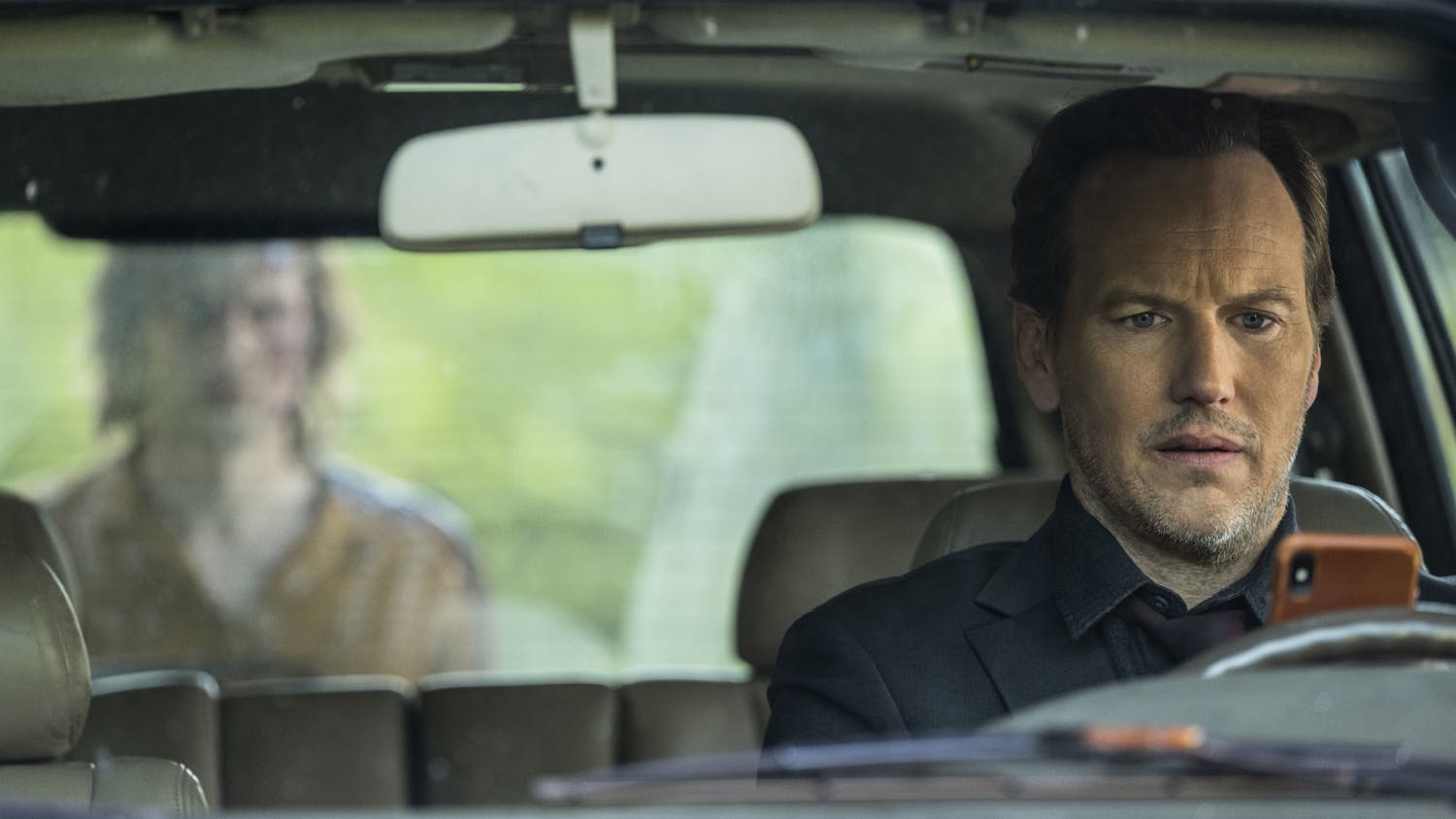
In Steven Soderbergh's recent rendezvous with the experimental, George Clooney plays a psychologist sent to investigate an unraveling space crew in "Solaris." Russian master Andrei Tarkovsky first adapted the sci-fi classic into an epic, nearly-three-hour film in 1972 that was seen as a rival to Kubrick's "2001." After Soderbergh's last unwelcome exposure in the avant with "Full Frontal," many saw this next spaced-out foray as almost laughable. They aren't laughing anymore.\nTightly directed and tautly trim at half of Tarkovsky's time, Soderbergh's "Solaris" is catching critics by surprise and leaving its audiences unexpectedly discussing metaphysics by the time the credits roll. When Chris Kelvin (Clooney) comes aboard the Prometheus, the sentient, oceanic planet Solaris is creating hallucinations of the past memories and repressed fantasies of the crew.\nAfter the first night, Kelvin wakes to his long-dead wife lying beside him, a paradoxical flesh-and-blood impossibility. Where the story of "Solaris" takes its brilliant twist is when these hallucinations start to become self-aware of their own existence as nothing more than the tangible realizations of their creator's memories.\nCovering themes from the existential thought to the consequences of love lost and redemption, while "Solaris" is complex, Soderbergh has created a vision that is graspable, but hauntingly so. Gorgeously shot under the pseudonym Peter Andrews, Soderbergh tells his story in simple shots, primarily using close-ups that hover somewhere between the claustrophobic and the intimate.\nAnd while no one's announcing this the new inheritor of Kubrick's master-space vision, Soderbergh does capture some moments that even HAL could be proud of. Backed by a beautiful and ethereally melancholy score by Cliff Martinez, don't be surprised if you find your jaw creeping agape more than once.\nJust as doubtful of Soderbergh's handling of this material was the casting of Clooney in such an emotionally engaging role. As before, those doubting will find themselves full-fledged believers, as Clooney delivers one of his best performances, full of ache, angst and believability. Jeremy Davies is the only possible flaw, his performance falling somewhere between Dennis Hopper in "Apocalypse Now" and terminally stoned. Davies's performance is definitely one of paranoid eccentricities, its merit left to the judgement of the individual's perspective.\nNonetheless, "Solaris" is a moving and thought-provoking film best seen in the company of friends, because discussion becomes inevitable.
Soderberg probes deep thoughts
Get stories like this in your inbox
Subscribe